


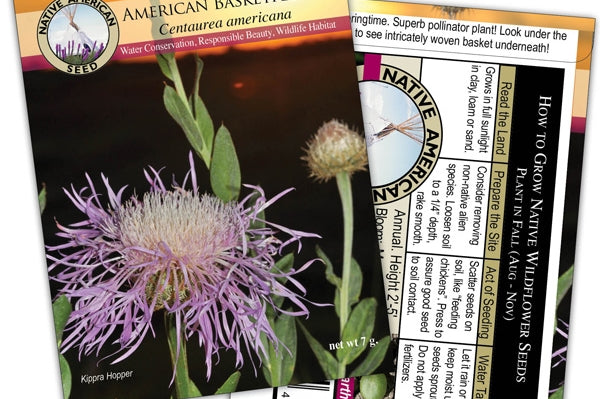

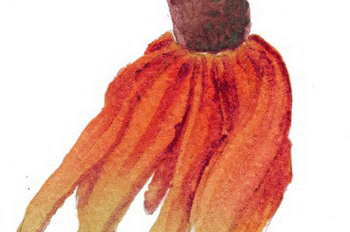


Are you looking to replace some of the commonly planted non-native invasive plants, but are not sure what to plant? Non-native invasive plants cause ecological damage by displacing Texas native plants, taking over natural habitats, displacing wildlife and creating eco-deserts. Here are 8 invasive plants and their native replacements.
- Replace Nandina with Agarita, Dwarf Yaupon Holly, or Texas Sage

Agarita 
Dwarf Yaupon Holly 
Texas Sage Agarita (Mahonia trifoliolata) is a tough, evergreen Texas native shrub with holly-like leaves, early season flowers for the pollinators, and red berries that birds (and people) love. Dwarf Yaupon Holly (Ilex vomitoria) can handle sun or shade, can be shaped to fit spaces, is evergreen, and is not fussy about soil as long as it has good drainage. If you have a dry, sunny spot, Texas Sage (Leucophyllum frutescens) is semi-evergreen, adds color and height, and provides nectar for pollinators.
- Replace Bradford Pear with Mexican Plum

Mexican Plum Mexican Plum (Prunus mexicana) is a Texas-tough ornamental tree that has attractive exfoliating bark and provides a delightful, fragrant bloom display in early spring. Both wildlife friendly and drought tolerant, Mexican Plum can be grown in full sun or as an understory tree, preferring deep, well-drained soil. It produces edible, if tart, plums that make delicious jam or jelly.
- Replace Vitex with Desert Willow, Texas Kidneywood, Mexican Buckeye, or Beebrush
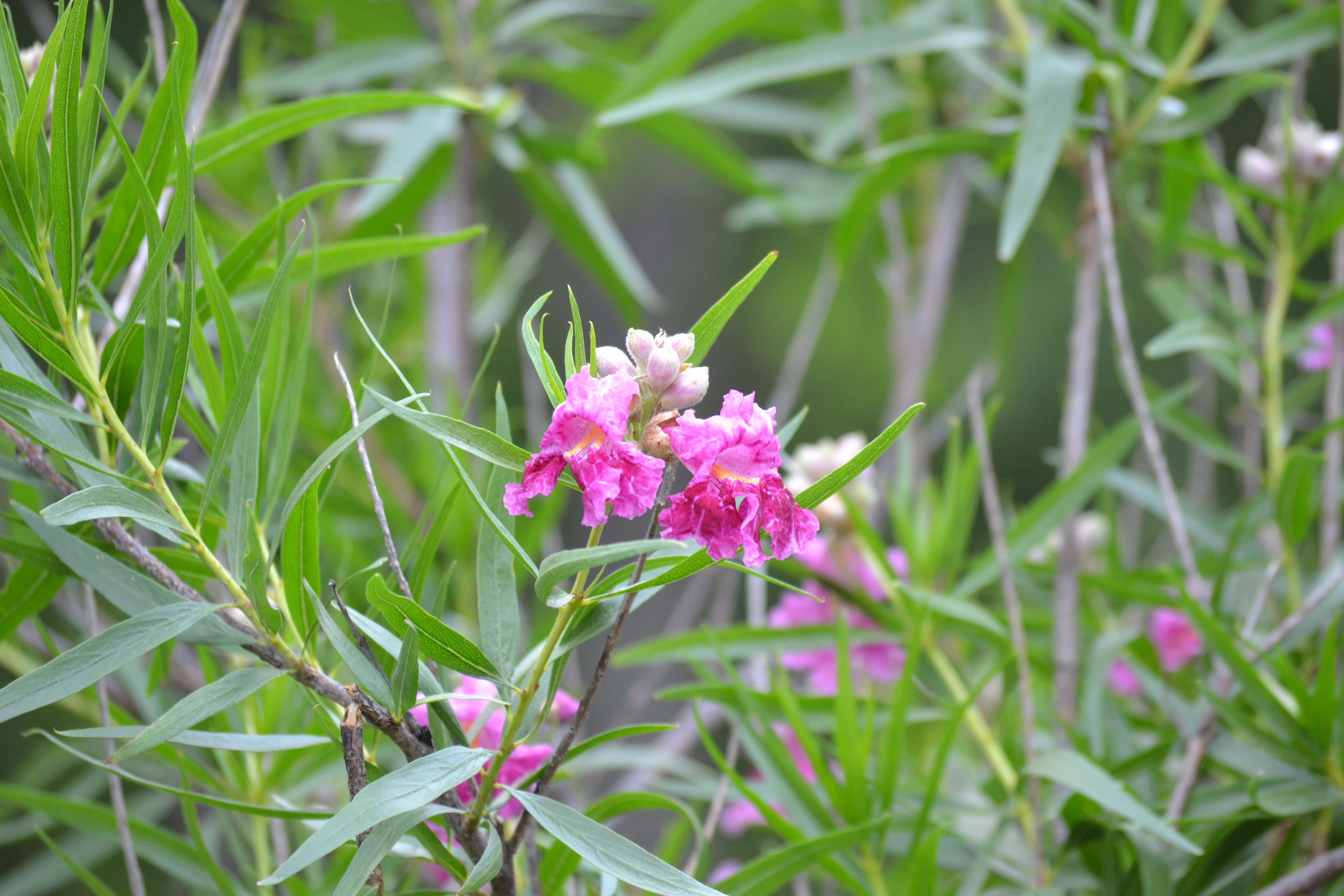
Desert Willow 
Texas Kidneywood 
Mexican Buckeye 
Beebrush Depending on your sun exposure and aesthetic need, all four can be excellent Vitex replacements. Desert Willow (Chilopsis linearis), Texas Kidneywood (Eysenhardtia texana), Beebrush (Aloysia gratissima), and Mexican Buckeye (Ungnadia speciosa) all can handle tough conditions and need good drainage, but the first three need full to part sun while Mexican Buckeye can also handle part shade and shade.
- Replace Chinese Privet with Yaupon Holly, Elbow Bush, Cherry Laurel, or Evergreen Sumac

Yaupon Holly 
Elbow Bush 
Cherry Laurel 
Evergreen Sumac Any of these make a strong native substitute for a privet hedge, each with its own personality. Yaupon Holly (Ilex vomitoria) is dense and evergreen, shapes easily into a formal hedge, and feeds birds with bright red winter berries. Elbow Bush (Forestiera pubescens) is a tougher, more open native shrub that handles poor, rocky soil and drought better than most privet substitutes, with fragrant early-spring blooms. Cherry Laurel (Prunus caroliniana) grows fast into a dense evergreen screen with glossy leaves and fragrant white flowers, making it a good pick where quick privacy matters. Evergreen Sumac (Rhus virens) has fine-textured leaves and a tidy presence. In full sun it becomes large and dense; in shadier spots it is more open.
- Replace Japanese Honeysuckle with Coral Honeysuckle, Western White Honeysuckle, Crossvine

Coral Honeysuckle 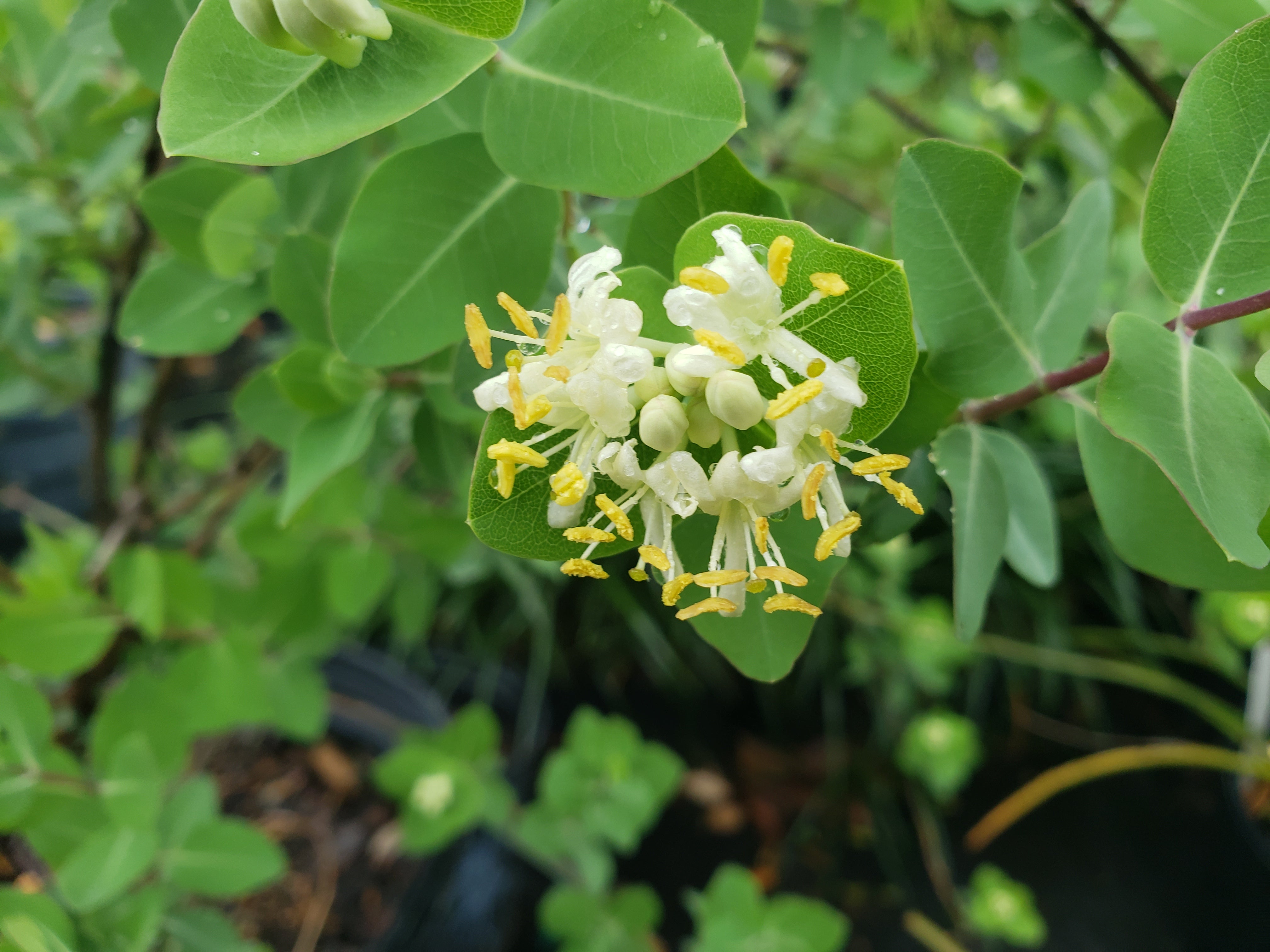
Western White Honeysuckle 
Crossvine All three give you the twining vine habit people plant Japanese Honeysuckle for, without the aggressive spread. Coral Honeysuckle (Lonicera sempervirens) offers red-orange tubular blooms that hummingbirds seek out. Western White Honeysuckle (Lonicera albiflora) offers fragrant, pale flowers and can be trained as a vine or shrub. Crossvine (Bignonia capreolata) grows fast and dense, covering a fence or trellis quickly, with trumpet-shaped orange-red flowers in spring and evergreen foliage that holds up through a North Texas winter.
- Replace Chinaberry tree with Western Soapberry, Mexican Plum, Texas Redbud

Western Soapberry
Mexican Plum 
Texas Redbud Western Soapberry (Sapindus saponaria var. drummondii) is a tough, drought-tolerant tree with golden fall color and clusters of small berry-like fruit that persist into winter. Mexican Plum (Prunus mexicana) offers fragrant white spring blooms and attractive exfoliating bark. Texas Redbud (Cercis canadensis var. texensis) brings an spring display of attractive pink-purple flowers that before its leaves emerge.
- Replace Bermudagrass with Buffalograss

Buffalograss Buffalograss (Bouteloua dactyloides) is a drought-tolerant, low maintenance, native turf alternative to non-native Bermuda grass. It can be mowed but looks very attractive when not mowed. It does well when combined with other short native grasses such as Blue Grama or Curly Mesquite.
- Replace Pincushions (Scabiosa) with Purple Coneflower

Prairie Verbena 
Purple Coneflower 
Cutleaf Daisy Purple Coneflower gives you the same long-blooming pollinator draw as Pincushion flowers, but it's a native perennial that provides nectar for pollinators and seed for birds. Prairie Verbena (Glandularia bipinnatifida) is a low, spreading groundcover with clusters of purple-pink flowers that attracts bees and butterflies. Cutleaf Daisy (Engelmannia peristenia) offers cheerful yellow blooms that attract pollinators and thrives in poor, rocky soil where many other perennials struggle.
